The Art and Craft of Soap Making: A Day in the Life
- Katie
- Jan 3
- 3 min read
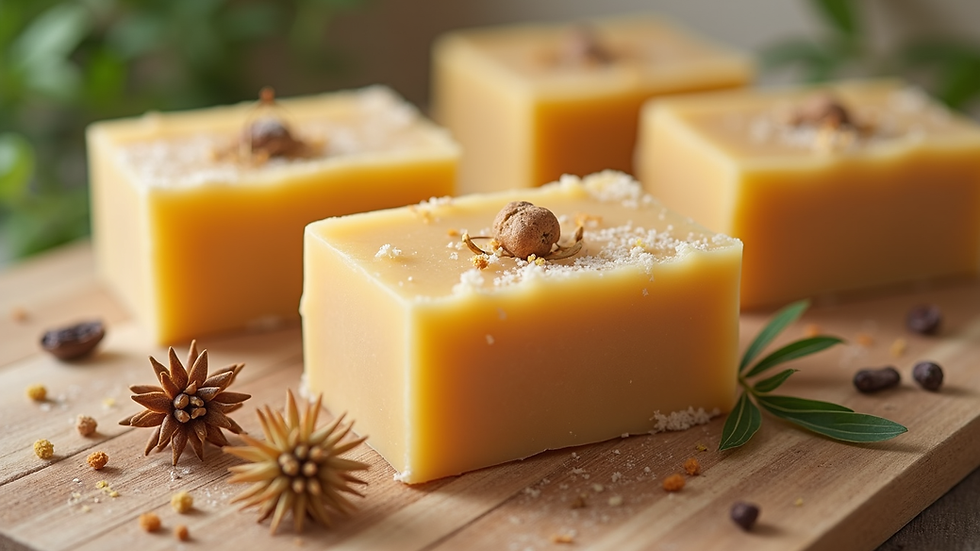
Soap making is more than just a process; it is a careful blend of art, science, and passion. For those who create natural soap by hand, each day offers a chance to craft something unique, gentle, and eco friendly. This post explores what a typical day looks like for an artisan soap maker, highlighting the dedication behind every bar of handmade soap and the values that guide this slow made craft.
Morning: Preparing Ingredients and Workspace
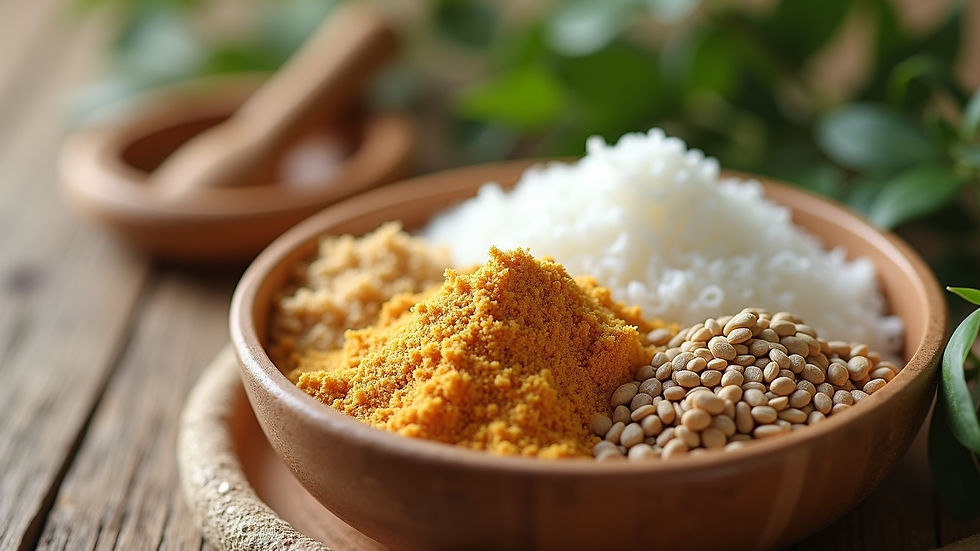
The day begins early with a thorough preparation of ingredients and the workspace. Soap makers often choose plant based, organic soap ingredients such as coconut oil, shea butter, and essential oils. These components ensure the soap is skin safe, moisturizing, and chemical free.
Before mixing, the workspace is cleaned meticulously to maintain a clean home environment free from contaminants. Tools and molds are sanitized, and raw materials are measured precisely to maintain consistency in each small batch.
Key morning tasks include:
Measuring oils and butters like coconut and olive oil
Preparing lye solution carefully, following safety protocols
Selecting essential oils or herbal extracts for fragrance and benefits
Setting up molds for shaping the soap
This stage requires focus and care because the quality of the soap depends on the purity and balance of ingredients.
Midday: Mixing and Pouring the Soap
Once ingredients are ready, the soap maker begins the mixing process. This involves combining the lye solution with oils at specific temperatures to trigger saponification, the chemical reaction that turns oils into soap. The process is slow and deliberate, reflecting the slow made philosophy behind artisan soap.
During mixing, the soap maker may add:
Botanical soap elements like dried lavender or chamomile for texture and natural scent
Essential oils such as lavender, eucalyptus, or peppermint for fragrance and therapeutic properties
Natural colorants derived from clays or herbs
After mixing, the soap batter is poured into molds. This step requires precision to avoid air bubbles and ensure even distribution. The soap is then covered and left to cure for several weeks, allowing it to harden and become a pure soap that is gentle on the skin.
Afternoon: Crafting Custom and Event Favors
Afternoons often focus on creating custom favors and bulk favors for weddings, events, or special occasions. Many soap makers specialize in wedding favors, bridal favors, and guest gifts that combine beauty and function.
Popular choices include:
Mini soap bars wrapped in eco friendly packaging
Soap favors scented with essential oils matching the event theme
Personalized labels or stamps for a unique touch
These favors are appreciated for being non toxic, palm free, and vegan soap options that guests can enjoy without worry. The artisan’s attention to detail ensures each gift feels personal and thoughtful.
Late Afternoon: Quality Checks and Packaging
Before the day ends, soap makers perform quality checks on cured soap batches. They inspect texture, scent, and appearance to confirm the soap meets high standards. Any imperfections are noted for improvement in future batches.
Packaging is another important step. Many artisans use recyclable or biodegradable materials to keep the entire product eco friendly. Labels highlight the soap’s benefits, such as being chemical free, moisturizing, and made with pure soap ingredients.
This stage also includes preparing orders for shipment or delivery, ensuring that customers receive fresh, skin safe soap that supports a clean home lifestyle.
Evening: Experimentation and Learning
The day often ends with experimentation or research. Soap makers test new recipes, try different combinations of essential oils, or explore herbal soap blends. This continuous learning helps them improve their craft and offer innovative products.
Some artisans also create non toxic candles alongside soap. These may include:
Soy candle or coconut wax bases
Beeswax candle options for natural warmth
Essential oil candle scents that complement their soap lines
All candles are phthalate free, toxin free, and hand poured to maintain quality
This diversification supports a holistic approach to clean living, offering customers a range of eco candle and soap products that are safe for people and pets.
Why Choose Artisan Soap?
Artisan soap makers focus on quality over quantity. Their small batch approach ensures each bar is crafted with care, free from harsh chemicals, and designed to nourish the skin. Choosing handmade soap means supporting sustainable practices and enjoying a product that is truly gentle soap.
Whether for everyday use or special occasions like weddings, artisan soaps and favors provide a meaningful, non toxic alternative to mass-produced options. They bring natural ingredients and thoughtful design into homes, promoting wellness and environmental responsibility.
Crafting natural soap is a rewarding daily journey that blends tradition with creativity. Each step, from selecting plant based oils to packaging custom favors, reflects a commitment to purity, safety, and beauty. For those who value clean soap and skin safe products, artisan soap making offers a glimpse into a world where care and craftsmanship meet.
Comments